

 Türkçe
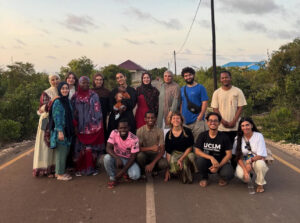
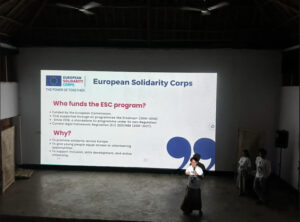
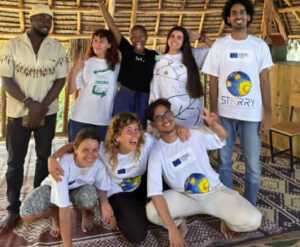
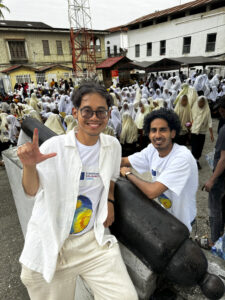
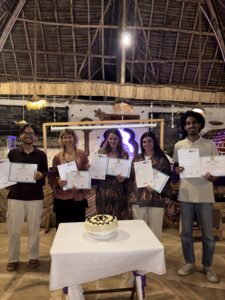
Following the successful completion of a 59-day team volunteering activity, the volunteers Awab Ameen Saeed Aldubai, Muhammad Romadhon Mubarok, Laura Bertagnolli, Letizia De Palo, and María José Cano Paz concluded their assignment with our Tanzanian partner organisation, Assalam Community Foundation (ACF), in Zanzibar. The activity was implemented within the framework of the STARRY project, a Humanitarian Aid initiative funded by the European Commission, and aimed to support community-based actions in the fields of education, environmental sustainability, cultural engagement, and empowerment.
During their activity, our volunteering team has been actively engaged in Zanzibar, contributing to community-based initiatives in close collaboration with local partners. Their work followed Assalam’s PEACE model — Permaculture, Education, Arts, Community, and Empowerment — offering a holistic experience rooted in sustainability, cultural exchange, and shared learning.
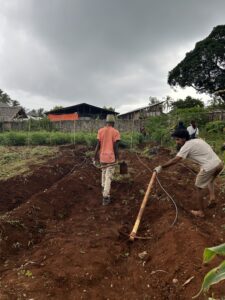
In the Permaculture area, volunteers supported sustainable farming and zero-waste practices through hands-on activities such as composting, planting, preparing garden beds, caring for animals, and participating in clean-up initiatives. These daily efforts strengthened environmentally responsible practices and reinforced the importance of working in harmony with nature.
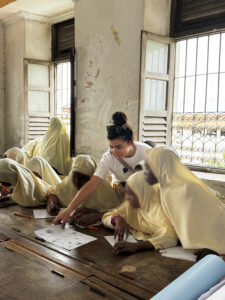
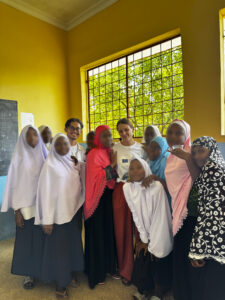
Within Education and Community, volunteers assisted teachers, facilitated student clubs, and supported educational workshops. They took part in journalism activities, environmental clubs, table tennis sessions, and emotional education workshops, helping students develop creativity, teamwork, and emotional awareness. Several volunteers also contributed their professional skills by supporting project cycle management, drafting factsheets, writing blog content, and designing reporting templates that will continue to be used by the organization.
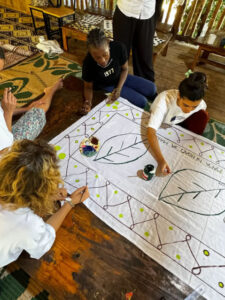
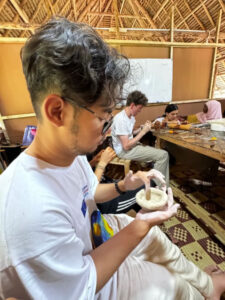
The Arts pillar offered a powerful space for cultural expression. Volunteers participated in traditional workshops such as pottery, eco-printing, kanga design, soap-making, papier-mâché, and ngoma dance. Together with local artists, they created papier-mâché sculptures — including an elephant — now displayed at the Spice Museum, celebrating Zanzibar’s cultural heritage.
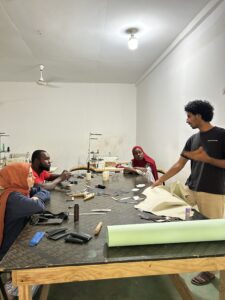
A key highlight of the Empowerment pillar was vocational skills transfer. One volunteer led an intensive leathercraft training for local staff artisans, enabling them to design and produce wallets and bags now exhibited and sold at the Spice Museum. Beyond production, the artisans gained the confidence and skills to train others, laying the foundation for long-term sustainability and economic opportunity.
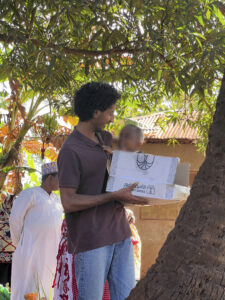
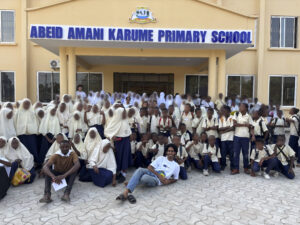
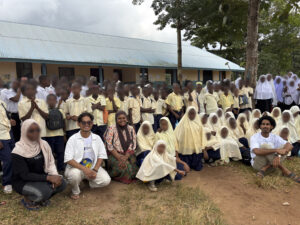
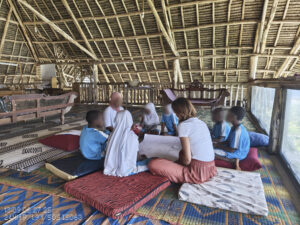
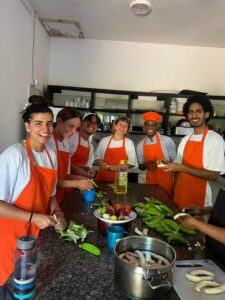
The team also joined the Mobile Library initiative, delivering cultural and craft workshops — such as bead-making and spice medicine — in regional schools and villages across Zanzibar. Complementary activities, including Swahili language lessons, traditional cooking classes, food distribution, family visits, and community clean-ups, further deepened the volunteers’ connection with local life.
While the volunteers contributed across many areas, they consistently reflected that the experience transformed them personally as much as it supported the community. Through shared work, cultural immersion, and collaboration, the Zanzibar program became a powerful exchange of knowledge, skills, and perspectives — one that continues to inspire both the volunteers and the communities they worked alongside.
#STARRYProject #TeamVolunteering #Zanzibar #HumanitarianAid #YouthVolunteers #CulturalExchange #Empowerment #Sustainability #EuropeanCommission